If you’ve seen OMP in a text message TikTok comment Snapchat chat or Instagram caption and wondered what it means, you’re not alone. OMP is a popular internet abbreviation that can have different meanings depending on the conversation.
People often encounter this term while chatting with friends online scrolling through social media, or reading comments on viral posts. Because slang changes quickly many users search for the meaning to avoid misunderstandings.
In most casual conversations OMP is commonly used as a short expression to add emphasis to a statement or reaction. The exact meaning can vary slightly depending on context platform and the people using it.
This guide explains what OMP means, where it’s used, how to respond to it and how people use it in everyday online conversations.
OMP Meaning in Text
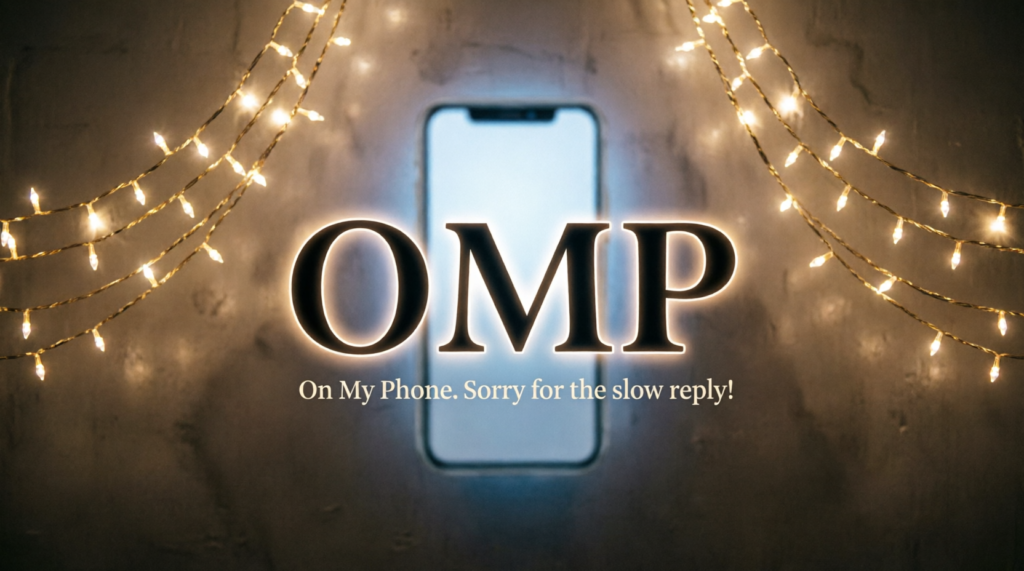
OMP is an internet abbreviation commonly used in texting and social media conversations.
The most common interpretation of OMP is:
“On My Parents”
People use it when they want to strongly emphasize that they are telling the truth. It works similarly to saying, “I swear,” or “I promise.”
For example:
“OMP, I didn’t eat your snacks.”
In this sentence, the person is emphasizing that they are being honest.
Depending on the community or friend group, OMP can occasionally have different meanings. However, “On My Parents” is one of the most widely recognized slang interpretations in texting culture.
Is OMP Slang, an Acronym, or an Abbreviation?
OMP is generally considered:
- Internet slang
- An acronym
- A texting abbreviation
People use it mainly in informal conversations rather than professional communication.
What Does It Mean in Everyday Chat?
In daily conversations, OMP is often used to:
- Prove honesty
- Add emphasis
- Convince someone
- Strengthen a statement
- React to surprising situations
For example:
“OMP, that movie was amazing.”
The speaker is emphasizing how strongly they feel about the movie.
Where People Use OMP
OMP appears across several social platforms and messaging apps.
TikTok
On TikTok, users often place OMP in comments when reacting to videos.
Examples:
- “OMP this is so funny.”
- “OMP that happened to me too.”
The phrase helps express strong agreement or excitement.
Snapchat
Snapchat conversations are usually fast and casual.
Friends may use OMP when:
- Telling stories
- Making promises
- Defending themselves
- Sharing surprising news
Example:
“OMP I was there when it happened.”
Instagram users may include OMP in:
- Captions
- Story replies
- Comments
- Direct messages
Example:
“OMP this outfit is perfect.”
In WhatsApp group chats, OMP often appears during friendly discussions.
Example:
“OMP I’m coming in five minutes.”
SMS
Traditional text messages also use OMP.
Example:
“OMP I completely forgot about the meeting.”
The abbreviation saves time while adding emphasis.
Real Chat Examples
Here are ten realistic texting conversations showing how people use OMP.
Example 1
A: Did you really meet him?
B: OMP, I did.
A: That’s wild.
Example 2
A: You finished the whole project?
B: OMP, I stayed up all night.
A: Respect.
Example 3
A: Is the restaurant that good?
B: OMP, you need to try it.
A: I’ll go this weekend.
Example 4
A: Did she say that?
B: OMP she actually did.
A: No way.
Example 5
A: Are you serious?
B: OMP I’m serious.
A: Wow.
Example 6
A: Did your team win?
B: OMP, by one point.
A: That must have been intense.
Example 7
A: Is the game worth buying?
B: OMP, it’s awesome.
A: I’ll download it.
Example 8
A: You’re not joking?
B: OMP, not joking.
A: That’s unbelievable.
Example 9
A: Was the concert crowded?
B: OMP it was packed.
A: Sounds fun.
Example 10
A: Did you actually cook that yourself?
B: OMP, I made everything.
A: Impressive.
How to Reply When Someone Says “OMP”
Your response depends on the tone of the conversation.
Funny Replies
- “Okay, now I believe you.”
- “That’s some serious proof.”
- “You sound very confident.”
- “I’ll take your word for it.”
Casual Replies
- “Got it.”
- “Makes sense.”
- “Fair enough.”
- “I believe you.”
Friendly Replies
- “Haha, I trust you.”
- “That’s good to know.”
- “Thanks for being honest.”
- “Sounds legit.”
Neutral Replies
- “Understood.”
- “Okay.”
- “Noted.”
- “Thanks for clarifying.”
Is OMP Rude or Offensive?
OMP is generally not considered rude.
Most people use it as a harmless expression to emphasize honesty or sincerity.
However, context matters.
Is It Safe to Use?
Yes, in casual conversations with friends, it is usually safe to use.
Is It Appropriate at School?
Students commonly use OMP when texting friends or chatting online.
However, teachers and formal academic writing typically require standard language instead of slang abbreviations.
Is It Appropriate at Work?
OMP is usually too informal for professional communication.
In workplace emails, reports, or business messages, it’s better to use complete sentences.
Who Uses This Term?
OMP is most commonly used by younger internet users.
Age Groups
The abbreviation is especially popular among:
- Teenagers
- High school students
- College students
- Young adults
Gen Z Usage
Gen Z users frequently use abbreviations to communicate quickly online.
OMP fits naturally into modern texting culture because it’s short and easy to type.
Common Platforms
You may see OMP on:
- TikTok
- Snapchat
- Discord
- SMS messages
How Often Does It Appear Online?
OMP is not as common as abbreviations like LOL or IDK, but it appears regularly in social media conversations and friend-group chats.
Its popularity tends to vary between online communities.
Origin of the Term
The exact origin of OMP is difficult to trace.
Like many internet abbreviations, it likely developed naturally through online communication.
Internet Culture Influence
Social media encourages shorter messages and faster conversations.
As a result, users often create abbreviations that replace longer phrases.
OMP became useful because it allows people to emphasize honesty with just three letters.
Is the Origin Clear?
No.
Unlike some slang terms that have documented beginnings, OMP appears to have spread informally through texting culture and social media platforms.
Because internet slang evolves quickly, identifying a single source is often impossible.
Comparison Table
| Term | Meaning | Type | Usage | Popularity |
|---|---|---|---|---|
| OMP | On My Parents | Slang Acronym | Emphasizing honesty | Moderate |
| IDK | I Don’t Know | Acronym | Expressing uncertainty | Very High |
| IDC | I Don’t Care | Acronym | Showing indifference | High |
| IMO | In My Opinion | Acronym | Sharing opinions | High |
| BRB | Be Right Back | Acronym | Temporary absence | Very High |
This comparison shows how OMP fits among other commonly used texting abbreviations.
Real-World Usage Example
Imagine a group of friends discussing a new restaurant.
One friend says:
“OMP, their burgers are incredible.”
They’re not literally talking about their parents. Instead, they’re emphasizing that they genuinely believe the food is excellent.
The phrase adds extra weight to their opinion and makes the recommendation sound more convincing.
This type of usage is common in casual online and offline conversations.
Different Meanings of OMP Online
Not every person uses OMP in exactly the same way. While “On My Parents” is the most common slang meaning, some online communities may interpret it differently depending on context.
OMP as a Truth-Emphasizing Phrase
Many users type OMP when they want others to know they are being completely honest. It acts like a digital version of saying, “I swear I’m telling the truth.”
OMP in Gaming Communities
Some gamers occasionally use OMP in chat rooms and voice-channel text conversations when reacting to surprising moments or defending a statement.
Why Context Matters
The meaning of internet abbreviations often depends on the surrounding conversation. Reading the messages before and after OMP usually makes its intended meaning clear.
Why People Use OMP Instead of Writing Full Sentences
Online conversations move quickly. Short abbreviations help people communicate faster without typing long explanations.
Faster Communication
Typing three letters takes less effort than writing a complete phrase. That’s one reason slang abbreviations remain popular.
Mobile-Friendly Language
Most social media activity happens on smartphones. Abbreviations like OMP make texting more convenient on smaller keyboards.
Following Online Trends
Many users adopt slang because they see friends, influencers, and creators using it regularly.
OMP Meaning From a Social Media Perspective
Social media platforms help slang spread rapidly from one group of users to another.
How TikTok Helps Slang Go Viral
A phrase can appear in one viral video and reach millions of viewers within days. This exposure often increases slang usage.
Influence of Comment Sections
Many internet terms gain popularity through comments rather than videos themselves. Users repeat expressions they see receiving engagement.
Sharing Language Across Platforms
Someone may first encounter OMP on TikTok and later start using it on Snapchat, Instagram, or WhatsApp.
Signs Someone Is Using OMP Seriously
Sometimes it can be difficult to tell whether a person is joking or being sincere.
When OMP Shows Strong Conviction
If someone uses OMP while defending a statement, they are usually trying to sound trustworthy.
When It Appears During Arguments
People may use OMP when trying to convince someone during a disagreement or debate.
When It Supports a Story
Users often add OMP while telling surprising stories to emphasize that the events really happened.
Common Mistakes People Make With OMP
New internet users sometimes misunderstand the abbreviation.
Assuming It Means the Same Thing Everywhere
Internet slang can vary between regions, friend groups, and online communities.
Using It in Formal Messages
OMP works best in casual conversations. Professional emails and official communication generally require standard language.
Misreading the Tone
A person may use OMP humorously, seriously, or sarcastically. Understanding the overall conversation helps avoid confusion.
OMP vs Similar Internet Slang
Several slang expressions serve a similar purpose online.
OMP vs ISTG
“ISTG” means “I Swear To God.” Both phrases emphasize sincerity, but they come from different slang traditions.
OMP vs FR
“FR” means “For Real.” It is often used to agree with something rather than swear honesty.
OMP vs ONG
“ONG” means “On God.” Like OMP, it is often used to strengthen a statement and show seriousness.
When Not to Use OMP
Even popular slang has situations where it may not fit.
Professional Workplace Communication
Business emails and workplace chats usually benefit from clear, professional wording.
Academic Assignments
Teachers and professors typically expect complete words rather than internet abbreviations.
Conversations With People Unfamiliar With Slang
Older relatives or people who rarely use social media may not understand what OMP means.
How OMP Reflects Modern Internet Language
Internet communication evolves constantly, and OMP is part of a larger trend toward shorter expressions.
The Rise of Abbreviation Culture
Digital communication encourages speed, leading users to shorten common phrases.
Influence of Younger Generations
Many slang trends begin with younger users before spreading to wider audiences.
Constant Evolution of Online Vocabulary
New terms appear every year while older expressions fade away. OMP represents one stage in the ongoing development of internet language.
Does OMP Have Different Meanings in Different Countries?
Internet slang often crosses borders, but usage can vary.
Regional Differences
Some countries may use OMP frequently, while others prefer different abbreviations.
Cultural Influence on Slang
Local online communities often adapt internet language to fit their own communication styles.
Global Reach of Social Media
Platforms such as TikTok and Instagram allow slang terms to spread internationally, exposing users worldwide to expressions like OMP.
The Future of OMP
Like many internet abbreviations, OMP’s popularity may change over time.
Will It Stay Popular?
Its future depends on how often younger users continue adopting and sharing it.
Could New Slang Replace It?
Internet culture constantly creates new expressions, which may eventually reduce the use of older abbreviations.
Why Understanding Slang Matters
Knowing common internet terms helps users communicate more effectively and understand online conversations without confusion.
How OMP Changes the Tone of a Message
Text messages can sometimes feel flat because they lack facial expressions and voice cues. OMP helps add emotional weight to a statement.
Making a Statement Sound More Serious
When someone uses OMP, they often want the reader to understand that they are being completely genuine. It can make a simple sentence feel more convincing.
Adding Emotion to Text Conversations
People use OMP when they feel strongly about something. Whether they are excited, surprised, or frustrated, the abbreviation helps communicate those feelings.
Building Trust in Online Chats
Because OMP is often associated with honesty, it can help strengthen trust between friends during conversations.
Situations Where You Might See OMP
The abbreviation appears in many everyday digital interactions.
Talking About Personal Experiences
Someone may use OMP when sharing a story that sounds unbelievable and they want others to know it is true.
Discussing Entertainment
Movies, TV shows, music, and video games often inspire strong reactions. OMP is sometimes used to highlight those opinions.
Reacting to Unexpected News
People may type OMP when responding to surprising updates from friends or social media posts.
How OMP Fits Into Internet Slang Culture
Internet slang is constantly evolving, and OMP is part of a larger trend toward shorter communication.
The Preference for Quick Communication
Modern users often choose abbreviations because they allow faster conversations, especially on mobile devices.
Group Identity and Online Language
Using slang can help people feel connected to their online communities. Shared language often creates a sense of belonging.
Influence of Viral Trends
As phrases gain popularity online, they become part of everyday digital vocabulary for many users.
Understanding OMP Through Context Clues
Even if you’ve never seen OMP before, context can often help you understand it.
Looking at the Surrounding Conversation
Reading nearby messages usually provides enough information to determine why the abbreviation was used.
Paying Attention to the Topic
The subject of the conversation can reveal whether OMP is being used seriously, casually, or humorously.
Not Every User Uses It the Same Way
Different friend groups may develop slightly different habits when using internet abbreviations.
Why Some People Avoid Using OMP
Although popular among many users, not everyone includes internet slang in their conversations.
Preference for Full Words
Some people simply prefer writing complete sentences rather than abbreviations.
Avoiding Misunderstandings
Since not everyone knows what OMP means, some users choose clearer language to prevent confusion.
Different Communication Styles
Age, profession, and personal habits can influence how often someone uses slang online.
OMP in Group Chats
Group conversations are one of the most common places where internet slang appears.
Responding to Multiple People Quickly
Abbreviations help users keep up with fast-moving discussions involving several participants.
Expressing Agreement
People sometimes use OMP when strongly agreeing with another person’s statement.
Adding Energy to the Conversation
Short slang expressions can make group chats feel more dynamic and engaging.
How New Users Learn Terms Like OMP
Most people do not learn internet slang from dictionaries.
Seeing It Repeated Online
Frequent exposure helps users understand slang naturally over time.
Asking Friends for Clarification
When someone encounters an unfamiliar abbreviation, they often ask friends what it means.
Searching the Internet
Many users look up terms like OMP after seeing them on social media platforms.
OMP and Digital Communication Trends
The popularity of abbreviations reflects broader changes in how people communicate online.
Shorter Messages Are Becoming Common
Social media platforms encourage quick interactions, making concise language more attractive.
Visual Content Influences Language
Videos, memes, and images often introduce new slang that spreads through online communities.
Communication Continues to Evolve
As technology changes, internet language adapts alongside it, creating new expressions and abbreviations.
Examples of Sentences Using OMP
Seeing the abbreviation in complete sentences can make its usage easier to understand.
Expressing Excitement
“OMP, that was the best game I’ve watched all year.”
Defending a Statement
“OMP, I’m not making this up.”
Sharing an Opinion
“OMP, that restaurant deserves more attention.”
Talking About an Experience
“OMP, the traffic was worse than usual today.”
Why Brands and Marketers Pay Attention to Slang
Internet slang can reveal how audiences communicate online.
Understanding Younger Audiences
Many companies monitor popular expressions to better understand digital trends.
Creating Relatable Content
Brands sometimes use casual language to connect with social media users.
Following Online Conversations
Keeping track of trending slang helps marketers stay aware of changing communication patterns.
Can OMP Become Outdated?
Like all internet slang, OMP’s popularity may rise or fall over time.
Slang Has a Life Cycle
Some expressions remain popular for years, while others disappear quickly.
New Terms Constantly Appear
Social media users regularly invent fresh abbreviations and phrases.
Digital Language Never Stands Still
The online world changes rapidly, meaning today’s common slang may look very different a few years from now.
What OMP Reveals About Modern Texting Habits
The success of abbreviations like OMP highlights how digital communication prioritizes speed and convenience.
Efficiency Matters
Users often prefer quick expressions that communicate ideas with minimal typing.
Informal Communication Dominates Social Media
Most online conversations happen in relaxed environments where slang feels natural.
Community Language Shapes Online Experiences
Shared abbreviations help create unique communication styles across different platforms and friend groups.
Frequently Asked Questions
What does OMP mean in text messages?
OMP usually means “On My Parents.” People use it to emphasize honesty or sincerity.
What does OMP mean on TikTok?
On TikTok, OMP often expresses strong agreement, honesty, or a genuine reaction to a video or comment.
Is OMP slang?
Yes. OMP is considered internet slang and a texting abbreviation.
Is OMP rude or offensive?
Generally, no. It is usually harmless and used in casual conversations.
How should you reply to OMP?
You can respond with phrases like “I believe you,” “Got it,” “Fair enough,” or “Thanks for clarifying.”
Conclusion
OMP usually means On My Parents in texting and social media conversations. People use it to emphasize honesty, strengthen a statement or show they are serious about what they’re saying.
You’ll commonly find it on TikTok Snapchat Instagram WhatsApp and text messages. While it’s generally safe in casual conversations it’s usually best to avoid using it in formal school assignments, workplace communication or professional settings.
Understanding terms like OMP helps you navigate modern internet conversations more confidently and avoid confusion when chatting online.
Discover more post:
| https://meanguid.com/what-does-oc-mean-in-text/ |
| https://meanguid.com/what-is-a-dd/ |
| https://meanguid.com/what-is-tbc/ |